
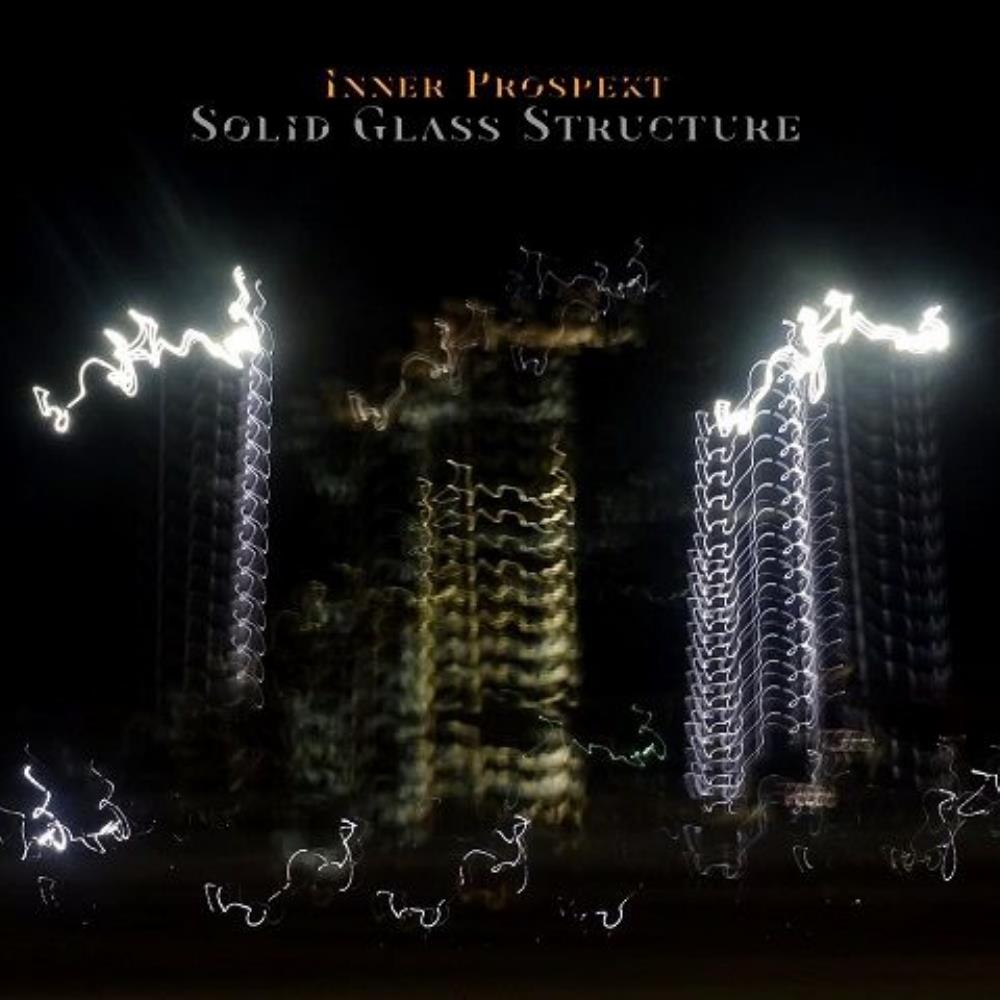
Album number 15 for the hyper-talented Roman keyboardist and composer Alessandro di Benedetti, whose ongoing work with the Samurai of Prog and past career with Mad Crayon has made himself known and appreciated in the musical world of prog. I often stand and sit but rarely lie, except when I rest and sleep, so I am a long-standing fan who firmly believes that this artist can do no wrong, so take my biased enthusiasm for what it is.
We certainly do live in “Unbelievable Times”, a period of human evolution completely hijacked by addiction to technology, at the expense of critical thinking, where opinion is fueled by the number of likes and followers one may monetize, influencing a numbed humanity who can in fact claim to know everything, but understands nothing and has no time to verify anything. A society fractured by the extremities. Both reading and writing has become carelessly flawed and soon reliant on manipulatable algo rhythms that claim to have found the promised land of truth. LOL. The opener certainly does not espouse the frustrating sentiments of a world gone bonkers, where the “Us and Them” has eliminated all the colours of the universe, save two. Both musically and lyrically, it prefers a melancholic revisit of a childhood full of glowing awareness and hunger for knowledge. Relying on keyboards, a drum kit and a microphone, Ale keeps things well-ensconced in a more hopeful context.
That being said, the next two mammoth epics are exceptional , first up “From Midnight to Dawn “, a 10 minute plus instrumental exploration of a jazz-funk theme, where the keyboards shine brightly, and provide guitarist Federico Tetti (of Mad Crayon fame) an opportunity to emote on his fretboard. The flowing ambiance is majestically expressed with some high-pitched choir work, the sonic slumber completing the rejuvenation process, and ready to face the rising sun. When the dazzling e-piano blends with the shuffling beat and the guitar is slung into the clouds, the atmosphere becomes intoxicatingly attractive. The synthesized slivers excite the senses, layering some inventive machinations that bend to the purpose. Ale then shifts to grand piano, a steady beat in hand and the bass bubbles boiling into another cauldron of jazz-rock fire, before the classical ivory tingled awakening leaves the bed behind.
The restrained lilt of “Ordinary Man“ lasts for a dozen minutes and has this tired sense of reflection in the vocals, signaling more resignation than any bold assertion. The flute synth accentuates a semblance of hope somewhere along the line, to slay the ennui of routine. Lest we forget to mention, the piano work is off the charts brilliant, profoundly emotional, charged with this heady combination of jazz and blues intonations, the drum shuffling along like an urban panorama that is dulled by humdrum sameness. Rafael Pacha provides intense guitar strands as well as fretless bass profiles, while Marco Bernard keeps the bass stewardship in tow. ‘Just an ordinary day in an ordinary life’, a certain sense of fatigued despondency prevails above all else. An extraordinary piece.
The culminating point is up next , the “Msr. Braies” that surely refers to this drop-dead gorgeous lake in Northern Italy, surrounded by the towering Dolomites mountain range , a place I have visited before and fell in love with on the spot, hit by its lightning beauty. The solemnity of the vista is expertly transmitted through a neo-classical soundtrack that is perhaps his finest recorded moment. The various keyboard instruments and Pacha’s guitars carve an aquamarine melody that flutter’s the heart and caresses the soul. Sheer, unadulterated pleasure. ‘Non mi restano parole’.
A hard act to follow perhaps but the show must go on! “You Call Me Mad” centers more on the amusement of the human condition and how we interface with daily activities, never fully realizing (until its often too late) on the consequences of one’s words or actions. ‘Sooner or later time will come when you’ll think back on this day’. Words of warning rarely abided by. The moment for some swerving jazz excursions are led by Daniele Vitalone’s dancing bass (Mad Crayon) and Carmine Capasso’s spiralling electric guitar flights.
Nostalgia shows up again, for a time when everything was way more simple and so much less stressed, “Old Tune for Old Keys” exudes a serene calmness that revives feelgood sentiments, a much-needed panacea for today’s incessant ills. I believe music is the best pain killer, (sorry big pharma), but it has healed me more times than I can remember. This vintage little ditty is full of generous vibrancy and shimmering glow, a superb moment.
Now comes the gargantuan leviathan finale “My Dark”, a 17-minute colossus, ‘an unforgettable beam in the night’. Ale gets to breathe gently, and let every second count, each note evoking a ‘search for some reason for this fundamental treason’. The silent shout vocal pace is dreamy, on the verge of exhaustion, perhaps even indifference. The tiny sonic musings are like a mosaic being gently assembled, some falling into place and others needing a slight push. Now, he is far from a Pavarotti (few can match that technical quality) but Ale expresses an earnest honesty that comes across immediately as heartfelt and genuine, a trait Italians in general can own in spades. With such a wide canvas to paint with, he can expand his creative arrangements into compelling levels of intensity, energetic colorations mixed with pensive moods. Pacha once more showcases his tactile expertise throughout the piece, his playing both exhilarating and precise. When that clavinet-like e-piano kicks in, the vortex reaches alpine heights, soaring high in the sky, where eagles fly. Then comes the consequential respite, ‘the ethereal space inside me’ he sings! We all have moments of elation, followed by disconsolateness, it’s the cycle from light to dark and back to light. Its inevitable. Its also profoundly human.
5 unforgettable beams in the night