
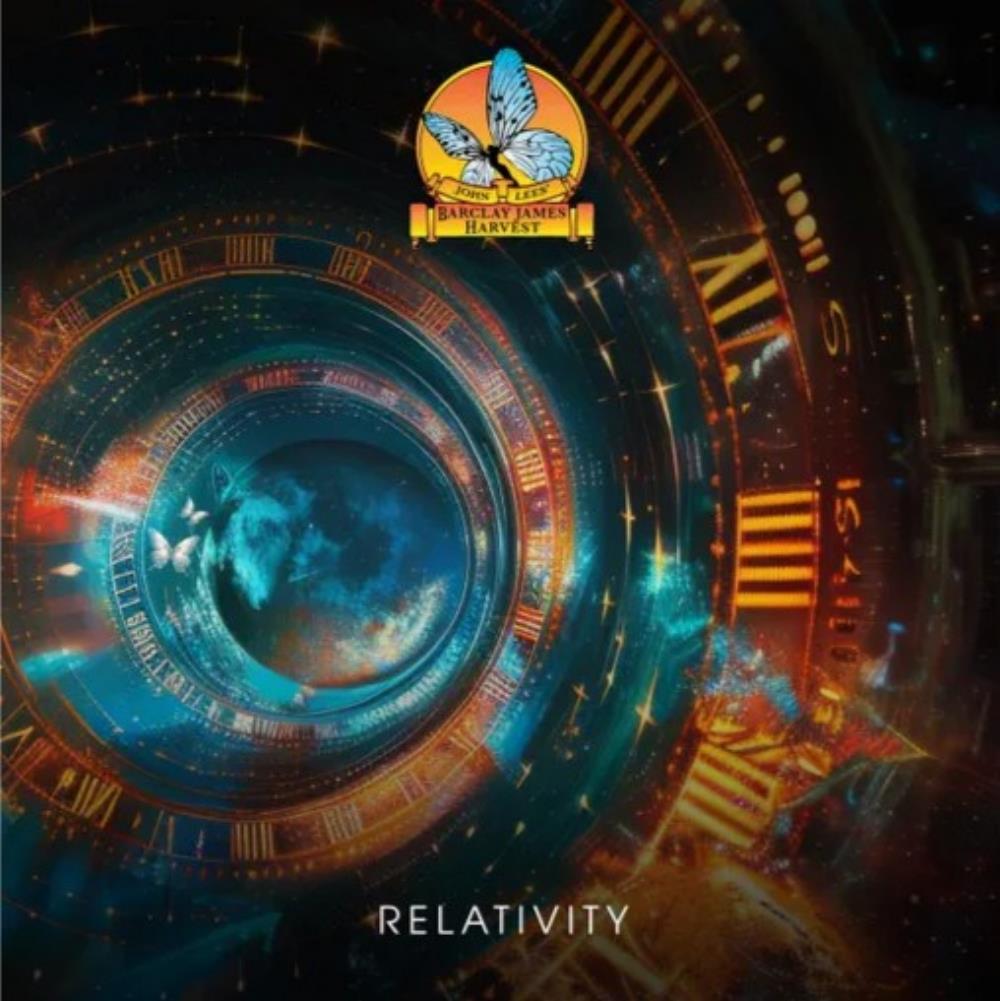
This legendary band still going strong since 1966 , with only Les Holroyd and John Lees left from the original crew, though both separate entities varying the tradition. Back in 1977, the band had a memorable tune called “Poor Man’s Moody Blues” on the Gone to Earth album, that succinctly describe their style to a tee. Never really interested in dizzying time signatures or impossible breaks and contrasts , BJH relied on creating seductive, almost romantic ballads that sought to highlight stupendous melodic content with solid instrumental foundation, and particularly notable vocal work, both lead and backing voices that soothed more than raged. Even though they were often unjustly targeted for flirting with pop sensibilities, truth is a recording career that spanned 55 years must surely be a testament to their mastery of sound regardless of any petty opinion-based backlash, truth is many others have (should or would have) surrendered a long time ago. Kudos for being headstrong! John Lees mans the acoustic and electric guitars with continued elegance, and his voice still has that velvety sheen very much in place. Keyboardist Jez Smith , drummer Kevin Whitehead and bassist, additional keyboardist and acoustic guitarist Craig Fletcher all join in on the vocal front , thus maintaining one of the band’s main characteristics. I am reviewing the single CD version as there is also a 2 CD package that has a Live at the Rosfest 2009 compilation of BJH classics, including the one I mentioned earlier.
Swirling orchestral keyboard configurations greet the listener on ‘Relativity Part 1 (Through the Dust)”, a sizeable 9 minute + epic that gets the juices flowing, introducing the new players and John’s silky voice. Jez Smith’s organ in particular plays a formative role, keeping the atmosphere sober yet serene, as is often the case with this ‘into the light’ style of prog. Noteworthy are the fluid bass undertow, the marching drums, the liquid guitar stylings and expressive vocals. It’s not revolutionary by any stretch (or is intended as such), more like a very comfortable vintage leather chair that suggests dreamy relaxation as opposed to counting out time signatures and marvel at the wizardry. You want gymnastics, you very well know where to go.
The next three tracks are all in the 7-minute range, an overt hint that this is not going to be radio-friendly tidbits intended to demolish the charts (what charts you may ask?), “The Blood of Abraham” upholds that softer orchestral edge, astonishingly smooth and languorous, somewhat cinematographic in scope, easily fitting into my recent rediscovery of the Sade catalog (damn, what a diva!). John elevates the volume and the passion in the second segment, still able to convince with his powerful lungs, as well as the crystalline axe fluttering that ensues. This is why I came here and what I was expecting, mission accomplished. Mature music.
With a title as provocative as “Heard it All Before”, that cool vibe stays cemented in place, a near Alan Parsons Project feel, the echoing e-piano and synths doing the needed sonic imagery. The vocal is certainly more mainstream oriented, ‘let the river come through’, a slight hint of rock ‘n roll in the lyrical demeanor, referring to the human relationship and it’s at times, predictable outcomes. The mid-section is unafraid to loosen the rigidity by inserting majestic choir work, swirling synth loops, and a fleeting airport voice effect samples. The bluesy voice, the rambling bass, the rolling organ and the shuffling pace are all intended to be addictive, surely a track that would work very well in a live setting, with an audience clapping along (I know, a prog no-no!) to the boogie-woogie piano. Fun.
The last chunky piece “Magpie” veers into more pastoral environments with a delicate piano introduction that comes as a welcome surprise , the ‘slow hand’ lead guitar taking over the reins, in a highly bucolic atmosphere, very English may I add. The orchestrations are spot on, bright vocal arrangements, as the sun seems to set on another splendid day out in the countryside.
Two shorter tracks that target the lonely hearts out there , the syrupy ballad “Love” proposing on one knee, with voice, drum heart beats and orchestral flowerings, a serenade to the one passion that may soon become an endangered species, or at the very least, an unfavorable response from the unhappy malcontents. For what it is, quite the memorable ditty, as I kept on humming after the song was over. Gulp! Now “Peace Like a River” is not my cup of tea, as it comes across as just a bit too maudlin and predictable, conjuring images of cornfields in Iowa. Its pleasant but no afterglow, a bit like some of the occasional and less impactful Strawbs material.
Back to lengthier exposés on “Hourglass”, immediately impressive with a recurring slippery guitar motif, and a genuine voice, a gradual build-up with persistent presence, and a directional focus that underlines the tranquil pace of each grain of sand as it makes it fateful voyage to the bottom (eventually reverting back to the top), an endless beginning that is nothing more that nature’s way. Very enjoyable.
Clocking nearly 9 minutes, the seductive groove on “Snake Oil” wastes little time in shining the light on John’s guitar skills, a perennial characteristic of the band that cannot go unnoticed. It’s harder edged that really comes across well intentioned, especially in combination with swooning backing vocals work, a slight Western feel to the mood. The churning Jez Smith organ dukes it insistently out with the ever-present axe gallop, easily one of the finer moments on this release, properly respectful of the past yet imbued with some vivid sonic imagery, with a vivid American tinge. Top track here.
That countryfied feel is affirmed on “The End of Days”, a slight the Hollies-feel, certainly accessible and commercially oriented, with hints of gospel, brassy glistens, and massive orchestral backdrops that really shine brightly. The preachy vocals, both lead and backing are splendidly rendered and overtly in a spirit of the overall mood of reaching some eventual ‘promised land’. Loved this as well.
How about another mini anthem? “Picture World” is simplicity incarnate, a song one would swear to have heard before, the harmony vocals featured in full regalia. The buzzing electric guitar slash contrasts with the celestial feel, a shivering bass solo and snowy organ vying for the front of the stage (the fretless wins by a whisker). Earnestly delivered, a melodic whopper that soothes the soul, ‘after all these years’, another winner.
“Relativity Part 2 (the Stars that Shine)”, nine minutes of bliss, closing the book on a fitting album, recalling the opening selection, with bells tolling and guitars ringing in grandiose worship. The leisurely tempo fascinates, no hurry or rush, just steadfast adhesion to intense melodies and keeping things tight and focused. Sprinkling of instrumental ornamentation is where most of my enjoyment found refuge, the magnificent guitar forays illuminating my pleasure until the final note, 78 minutes later.
On the whole, the extended tracks seem to divulge way more explicit attraction than the shorter pieces, the band surely well aware of their talents and fully willing to stretch out the arrangements to create more depth and atmosphere. There you have it , like it, love it or hate it, I am sure the band does not give a flying Burrito what negative platitudes any naysayers may come up with in their heavily mirrored basements, far from reality but deep in self-promotion. They have surely heard it all before.
4 Contingencies