
There is always time for folk-rock, as anything medieval, baroque or renaissance in particular will ring my bell and bang my gong. The Italian minstrels in particular are no slouches in that department as artists like Bededeum, Gian Castello, Corde Oblique, Crystal Phoenix, Faveravola, Oloferne, among many others, have made countless memorable moments of sonic reverie that took may back far in the past, into a magical time when fantasy ruled supreme. Cafune in fact are composed of former members of Bededeum, namely the incredibly talented multi-instrumentalist Antonio Pincione and his charming harpist wife Chiara Vatteroni, together with a talented squadra of Irene Lippolis on vocals, Emanuele Casu on bass, flutist/keyboardist Floriana Benedetti and drummer Michele Vannucci.
There is an immediate sense of otherworldly when playing this kind of music, a strange combination of unassuming yet intricate, as if the musicians are playing for a group of dear friends, a garden setting where food, drink and laughter prevail. All that is needed is some sonic love, for good measure. There is nothing more appropriate after an intense day of endless internet stupidity, harrowing workload, increasingly rude society and all the other self-imposed hardships of the modern-day routine, to take pause and luxuriate in a relaxing set of supremely melodic, unpretentious and heartfelt pieces of Italian folklore. Close your eyes and you can imagine being there, somewhere in Aosta, or the Citta Alta in Bergamo, perhaps even Orvieto, Parma and the colonnades of Bologna. How about Sicily or Sardinia? The country is a theater of endless beauty.
The nine tracks flow like windswept pages of a travelogue, words and images of intense beauty, a set laden with delicate frills of flute, classic guitar, bouzouki, sensitive percussion, guiding bass lines and even some neat picking as on the ravishing opener “Cafune”, a genuinely attractive appetizer that sets the tone for the rest of the album, including a series of rather daring flute and organ runs that come entirely unexpectedly, adding a shimmering aria sung from the heavens. The harp plays a central role in tingling the spine with subtle interventions, a perfect foil for the athletic guitar, as depicted on the magnificent “La Huesera” where the feudal atmosphere is profoundly insightful. Its second section maintains the melody that cannot ever be forgotten. Two absolute masterful tracks.
There are more upbeat pieces like the spirited, eternally medieval “Fata del Jazz”, owner of a colossal melodic line that will make one kneel in reverence. It then kicks up the pace with a more forceful jazzy variant that applies the coup de grace with a liquid Pincione lead guitar solo. How about the epic “Aronte e la Sirena”, flute and bass driven with a bright purpose , Irene recalling the mythical fable of Aronte the old astrologer and his wife, a mermaid. A more classic prog track in the RPI tradition.
The gentle lilt of “Follia” returns to the flute for guidance, acoustic guitar for balance and a vocal that hints at a more operatic style. When the harp interjects , the mood is even more crystalline and magical, as if in the presence of a minstrel in the torch-lit gallery, where shields, halberds rich tapestries drape the stone walls. The spectacular “Giordano” is a perfect segue as it maintains the identical pace, perhaps even more subdued at first, adorned with some sensational harp notes and a fragile voice. Simplicity incarnate, an air that permeates the mind and the soul. A masterpiece.
“Caligo” a Latin word for fog or mist but also confusion or blindness, and as such, the piece has an almost theatrical pathos that has a slight gypsy tinge maybe even Portuguese fado, with a dramatic vocal, playful percussion and a wallowing flute. It also features an acoustic solo from Pincione that is worth its weight in gold. “Alhambra 1492” aims straight at Granada, Spain and the eventual sailing of Cristoforo Colombo, the discoverer of America. A whirlwind soundtrack of impeccable intensity, with unmistakable Spanish guitar phrasings, rotund bass lines and a scat vocal for the ages, all in a Moorish arrangement. The tranquil finale “Ninna Nanna” is a classic Italian lullaby, a tune sung to children as they clutch their pillows, ready for imminent slumber. It has sufficient infused drama to make the young mind dream and the subtle musicality to put them to sleep. Mother Irene does a bang-up job.
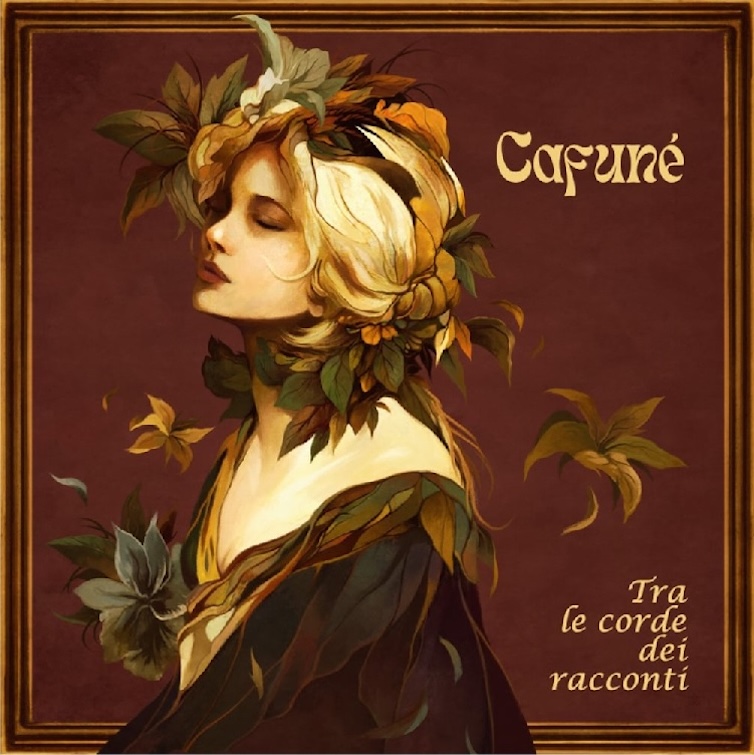 A terrific, off the beaten path work of art.
4.5 hairline caresses.